
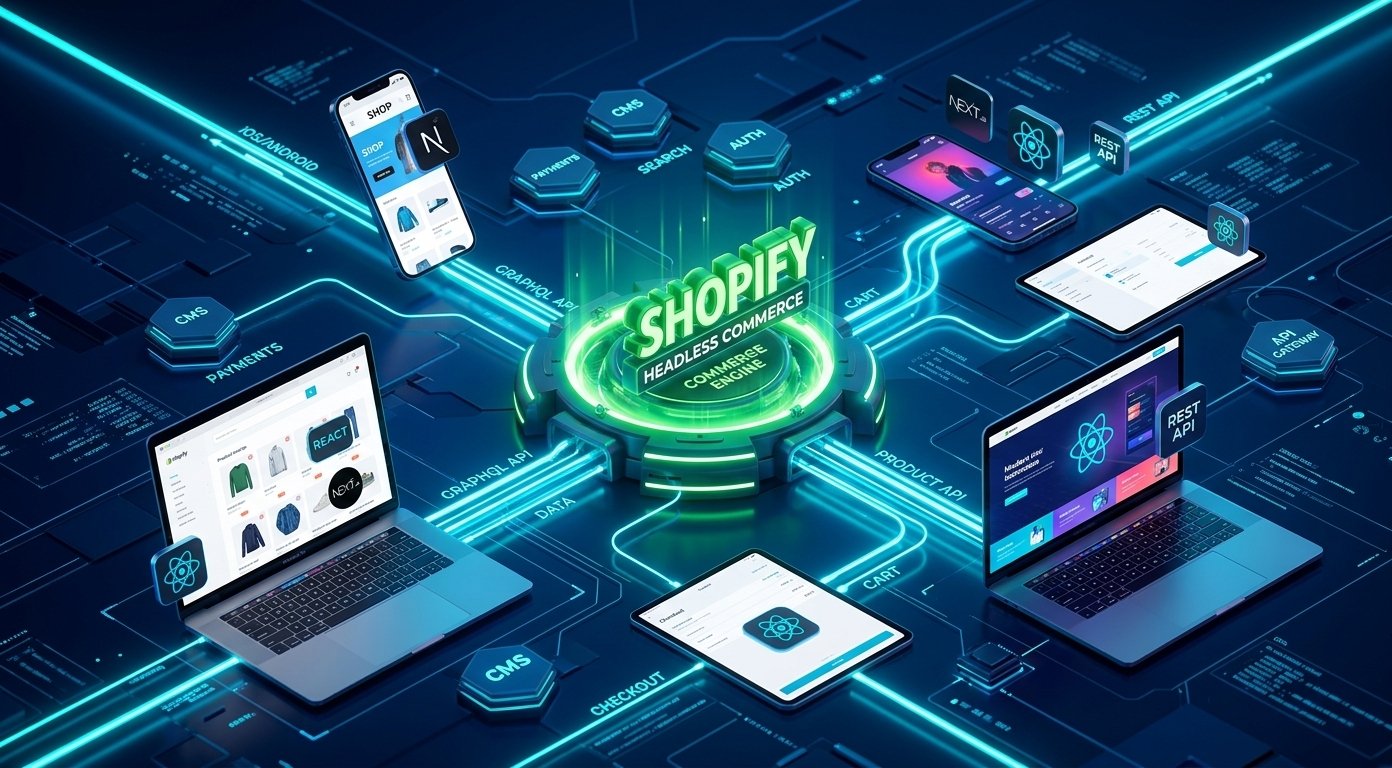
Modern e-commerce brands are rapidly moving beyond traditional monolithic theme templates to deliver ultra-fast digital shopping experiences. Utilizing high-performance Shopify Headless Commerce Frameworks empowers store owners to decouple the front-end user interface from back-end commerce logic, unlocking complete creative control and instant page loading speeds.
While standard Liquid themes offer convenience, enterprise merchants often face performance bottlenecks when scaling global operations. Decoupling your store architecture allows developers to build tailored user journeys, optimize mobile performance, and customize digital touchpoints. Implementing proven Shopify Headless Commerce Frameworks ensures your online store loads in milliseconds while maintaining full access to Shopify secure checkout systems.
Why Choose Headless Architecture for E-Commerce Scale
Decoupled front-end development provides significant operational and technical advantages for expanding online brands:
- Instant Page Rendering: Front-end web frameworks leverage static site generation (SSG) and server-side rendering (SSR) to load products instantly.
- Omnichannel Storefronts: Serve product inventory seamlessly across web browsers, mobile apps, smart displays, and social channels using a unified API.
- Unlimited UI Flexibility: Build bespoke digital experiences without theme file limitations or restrictive layout guidelines.
- Faster Web Vitals: Eliminate third-party script bloat to achieve near-perfect performance scores across desktop and mobile devices.
If you want to explore more performance optimization strategies, check out our guide on Digital Marketing and SEO Strategies to discover how technical architecture boosts conversion rates.
Top 7 Shopify Headless Commerce Frameworks for Global Stores
Selecting the ideal technology stack depends on your development resources and performance goals. Here are the most powerful options available today.
1. Shopify Hydrogen (React Framework)
Hydrogen is Shopify official opinionated React framework built specifically for headless development. Paired with Oxygen hosting, Hydrogen offers pre-built components like cart hooks, product selectors, and multi-currency routing out of the box. Leveraging Hydrogen remains one of the most reliable Shopify Headless Commerce Frameworks for fast deployment.
2. Next.js with Shopify Storefront API
Next.js is the leading React framework for building high-performance web applications. Featuring incremental static regeneration (ISR), Next.js allows store owners to update product pages dynamically without rebuilding the entire website. Its vast developer ecosystem makes it a premier choice for custom front-end builds.
3. Gatsby.js (Static Site Generator)
Gatsby generates pre-rendered static HTML files during build time, delivering exceptional security and near-instant page speed. It integrates smoothly with Shopify Storefront GraphQL API, making it an excellent option for content-heavy e-commerce stores prioritizing search performance.
4. Nuxt.js (Vue.js Framework)
For engineering teams utilizing Vue.js, Nuxt provides a powerful foundation for building server-rendered e-commerce frontends. Nuxt offers modular architecture, automated routing, and excellent SEO capabilities for complex multi-regional store setups.
5. Astro (Lightweight Web Architecture)
Astro ships zero JavaScript by default, rendering HTML directly on the server. By loading interactive components only when necessary, Astro dramatically reduces total page payload, establishing itself as an emerging contender among modern Shopify Headless Commerce Frameworks.
6. SvelteKit
SvelteKit compiles code into lightweight, framework-less JavaScript at build time. This results in incredibly fast DOM updates, lower memory consumption, and smoother user interactions on mobile web browsers.
7. Remix Framework
Acquired by Shopify to power Hydrogen, Remix excels at handling dynamic server-side data fetching and optimistic UI updates. It ensures robust offline capabilities and instant form submissions for complex shopping carts.
Technical SEO Best Practices for Headless Shopify Stores
While headless architecture offers unparalleled speed, maintaining organic search rankings requires proper technical execution:
- Server-Side Rendering (SSR): Ensure dynamic product pages are fully rendered on the server so search engine crawlers can index HTML content effortlessly.
- Dynamic Sitemap Generation: Route your Storefront API endpoints to build real-time XML sitemaps for newly published SKUs and blog posts.
- Structured Schema Markup: Inject valid JSON-LD schema (Product, Offer, AggregateRating) into your front-end code to secure rich snippet displays.
- Audit Page Performance Regularly: Monitor core loading metrics using Google PageSpeed Insights to keep API response times minimal.
Why Headless Commerce Drives Continuous Revenue Growth
Adopting progressive web architecture is no longer reserved exclusively for enterprise enterprises. Evaluating modern Shopify Headless Commerce Frameworks gives growing brands the flexibility to experiment with custom conversion flows, reduce customer acquisition costs, and build memorable brand experiences at global scale.
By pairing reliable back-end commerce APIs with fast front-end frameworks, your Shopify store will deliver frictionless purchasing journeys, improve search engine visibility, and maximize long-term customer value.