Following a practical shopify store optimization guide is essential for e-commerce brands, business owners, and digital agencies aiming to maximize online sales and improve customer retention in 2026. As online competition grows and customer expectations shift toward lightning-fast page loading speeds, maintaining a highly responsive and seamless shopping experience is critical.
From custom Liquid code customizations to modern checkout UI extensions, a structured shopify store optimization guide helps e-commerce teams eliminate site friction, boost organic search engine rankings, and scale conversion funnels. Here are the core strategies to transform your Shopify store into a high-converting growth engine.
1. Strategic Shopify Store Optimization Guide for Performance
Beginning your store optimization journey without analyzing your baseline speed performance often leads to wasted development efforts. A comprehensive shopify store optimization guide starts with auditing Core Web Vitals, dynamic scripts, and third-party app payloads to identify bottlenecks that slow down your product pages.
2. Speeding Up Page Load Times and Mobile Responsiveness
Slow page response times directly lead to high cart abandonment rates on mobile devices. Recommended shopify store optimization guide practices emphasize optimizing Liquid templates, lazy-loading heavy media assets, and minimizing render-blocking JavaScript files across your site architecture.
Adhering to web performance and user experience standards published on web.dev by Google guarantees optimal mobile rendering speeds, fast visual feedback, and smooth navigation for online shoppers.
3. Enhancing Product Pages and Micro-Conversions
Converting store visitors into paying buyers requires clear visual hierarchy, compelling product descriptions, and frictionless call-to-action buttons. Incorporating a shopify store optimization guide helps store owners design high-converting product pages equipped with custom variant selectors, dynamic stock badges, and customer trust signals.
Utilizing open-source web design standards and modern e-commerce practices maintained on WordPress.org and Shopify ecosystem guidelines, developers create intuitive user interfaces that streamline product exploration.
4. Customizing Checkout UI Extensions and Discount Logic
Optimizing the checkout experience is one of the fastest ways to increase Average Order Value (AOV). A detailed shopify store optimization guide demonstrates how to implement custom checkout UI extensions, dynamic upsell offers, localized currency switchers, and automated promotional discount codes without breaking core checkout stability.
5. Structuring On-Page SEO and Schema Markup
Ranking product collections on search engines requires structured product data and clear internal linking. Applying an on-page shopify store optimization guide ensures every product URL includes clean schema markup, optimized meta titles, alt tags for images, and targeted keyword placement to maximize Google Search Console indexation.
6. Streamlining Navigation and Mobile Catalog Search
Helping shoppers locate desired items quickly improves user satisfaction and increases site dwell time. A modern shopify store optimization guide implements intelligent predictive search, multi-level dropdown menus, and custom collection filtering logic so users discover relevant products in just a few taps.
7. Reducing App Bloat and Cleaning Theme Code
Installing too many single-function Shopify apps litters your theme code with leftover JavaScript snippets and tracking scripts. A disciplined shopify store optimization guide audits active apps regularly, replacing redundant plugins with clean native Liquid code or lightweight custom scripts.
8. Integrating Localized Multi-Currency and Multi-Language Options
Expanding into international markets requires providing native currency display and multi-language translations. Following a global shopify store optimization guide configures multi-currency switchers and automatic language detection to deliver tailored shopping experiences across international regions.
9. Implementing Automated Abandoned Cart Recovery
Re-engaging shoppers who leave before completing their purchase significantly lifts monthly store revenue. An automated shopify store optimization guide connects real-time email workflows and SMS notifications to remind potential customers of items remaining in their cart.
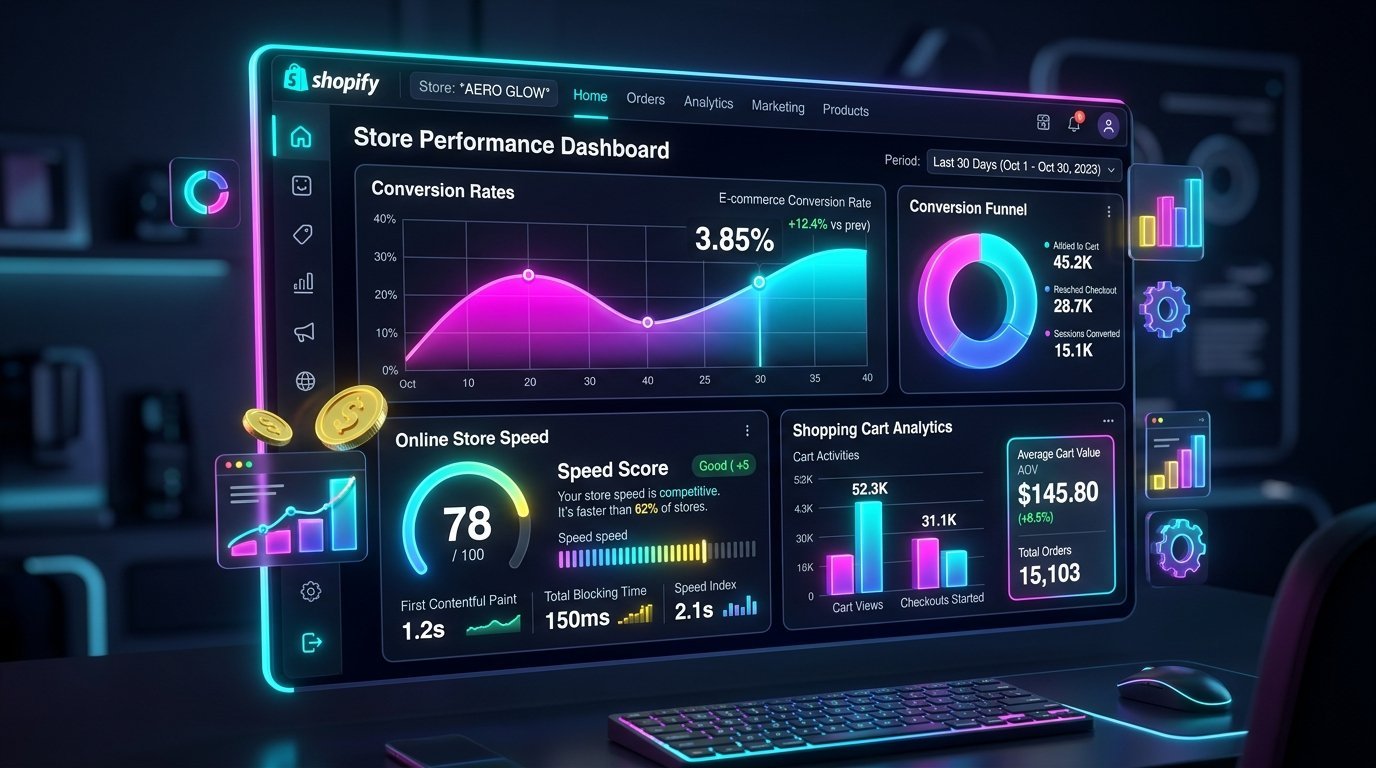
10. Tracking E-Commerce Analytics and Data Dashboards
Making informed business decisions depends on accurately tracking user journeys and store conversions. Applying a data-driven shopify store optimization guide sets up custom Google Analytics 4 event tracking, Meta Pixel signals, and heatmaps to monitor customer behavior and continually refine sales funnels.
Build High-Converting Shopify Stores Today
At IgniteCrest Solutions, we deliver custom shopify store optimization guide solutions designed to accelerate website speed, implement custom Liquid code, and scale conversion rates for global e-commerce brands. Contact our development team today to optimize your online store.